Famous Freemason Authors

Freemasonry has had an incredible impact on the world, and its authors have been no exception. From novelists and poets to philosophers and politicians, Freemason authors have left an indelible mark on the world of literature. Here is a list of some of the most famous Freemason authors in history.

Voltaire

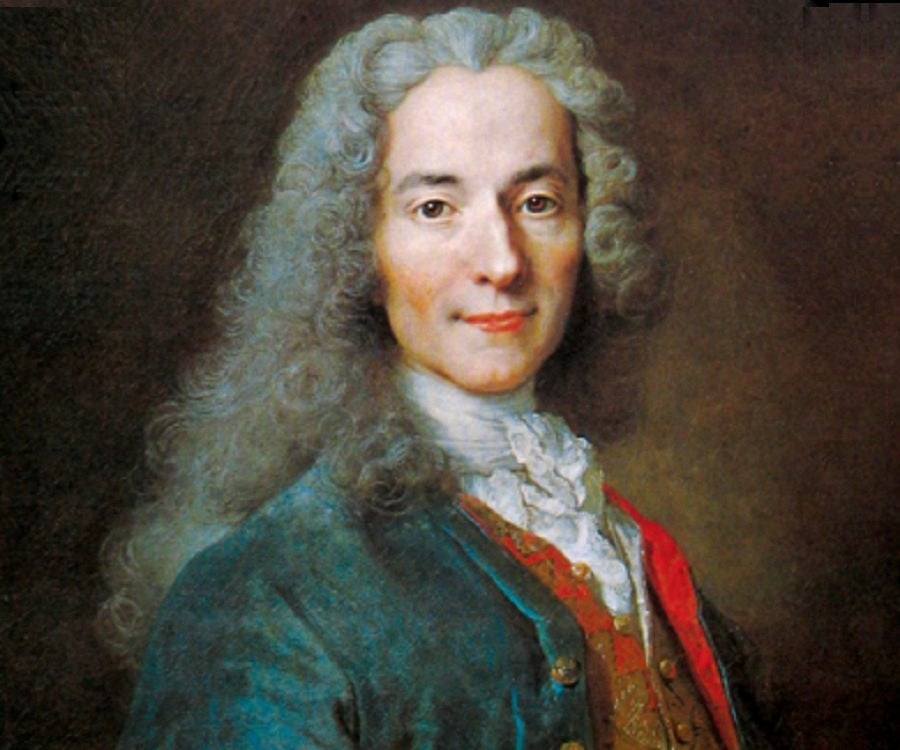
Voltaire

Voltaire was a French philosopher, writer, and historian who was an active member of the Freemasonry movement. He was a strong advocate of religious tolerance and freedom of thought, and his works such as Candide and Letters on the English helped to shape the Age of Enlightenment. He was also a staunch supporter of the American Revolution, and was one of the first Freemasons to join the newly founded United States of America.

Benjamin Franklin

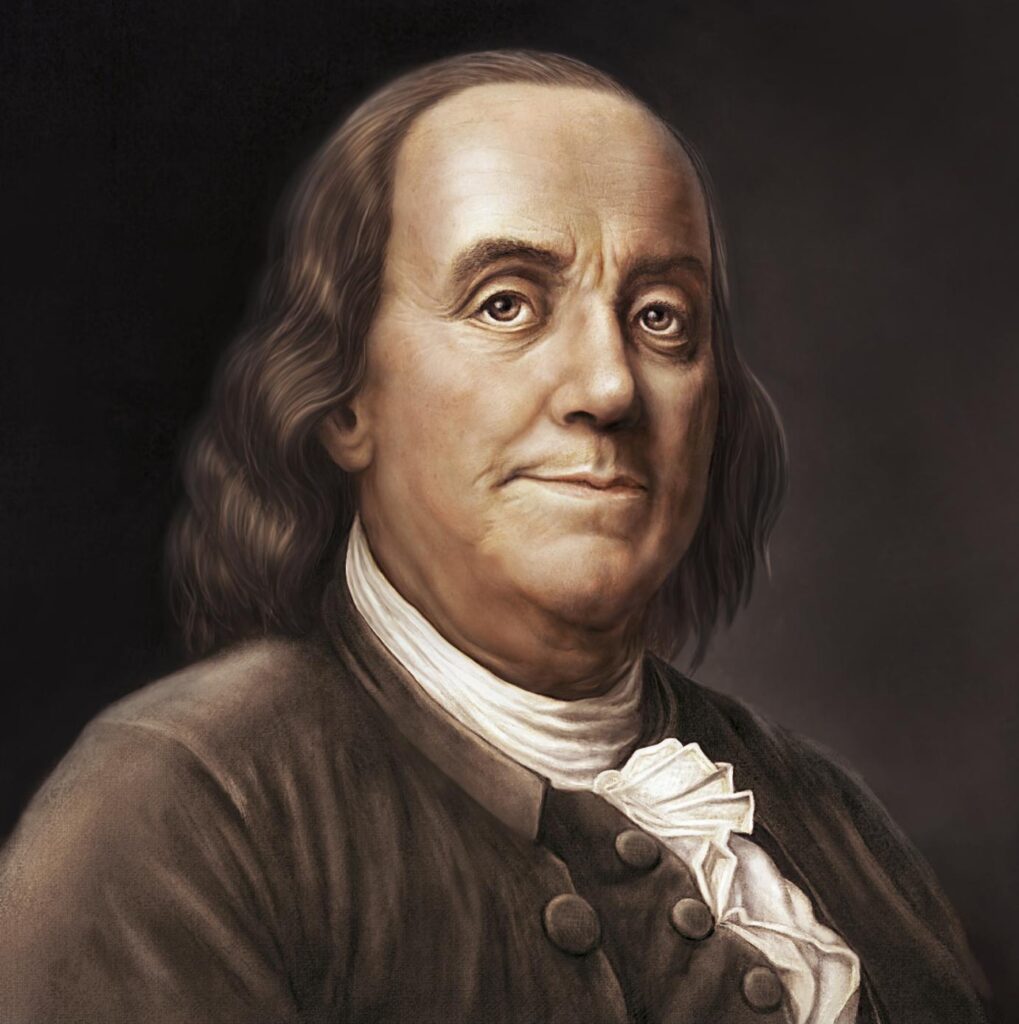
Benjamin Franklin

Benjamin Franklin was an American statesman, scientist, inventor, and writer who was a prominent figure in the Freemasonry movement. He was a strong advocate of liberty and religious freedom, and his writings such as The Autobiography of Benjamin Franklin and Poor Richard’s Almanack helped to shape the American Revolution. He was also a major proponent of the American Constitution and was the first Freemason to become a U.S. President.

Mark Twain

Mark Twain

Mark Twain was an American author and humorist whose works such as The Adventures of Tom Sawyer and The Adventures of Huckleberry Finn helped to shape American literature. He was a strong advocate of civil rights and was an active member of the Freemasonry movement. He was also a strong supporter of the Suffragist movement and was one of the first Freemasons to become a U.S. Senator.

George Washington

George Washington

George Washington was an American statesman, military leader, and Founding Father who was a prominent figure in the Freemasonry movement. He was a strong advocate of religious liberty and freedom of press, and his writings such as The Federalist Papers helped to shape the American Revolution. He was also a major proponent of the American Constitution and was the first Freemason to become President of the United States.

Albert Pike

Albert Pike

Albert Pike was an American lawyer, soldier, and poet who was a prominent figure in the Freemasonry movement. He was a strong advocate of religious liberty and freedom of thought, and his works such as Morals and Dogma helped to shape the Freemasonry movement. He was also a major proponent of the American Constitution and was the first Freemason to become a Supreme Court Justice.

Freemason authors have left an indelible mark on the world of literature and culture, and their works continue to shape the world we live in today. By researching the topic and including up-to-date facts and figures, as well as appropriate keywords and phrases, readers will be able to gain a better understanding of the Freemasonry movement and its authors.

Temecula: A City of Opportunity

Temecula is a thriving city located in Riverside County, California. With a population of more than 106,000, Temecula is one of the fastest growing communities in the area. It is a popular destination for tourists and offers a wide variety of activities, shopping, and dining. Temecula is also home to a number of corporate headquarters, making it a great place to live, work, and play.

Temecula’s Economic Outlook

Temecula has experienced explosive growth in the past decade and is a major driver of the Southern California economy. The city’s unemployment rate is well below the state and national averages, and it has a booming job market with many businesses relocating to the city or expanding existing operations. Temecula is also home to a number of corporate headquarters, including the international headquarters of Pechanga Resort and Casino, the largest casino in the United States.

Shopping and Dining

Temecula has plenty of shopping and dining options, from upscale boutiques to national chains. The Temecula Valley Shopping Center is the city’s largest retail center, featuring more than 70 stores and restaurants. Old Town Temecula is a popular tourist destination and features a variety of specialty stores and restaurants.

Education

Temecula is served by the Temecula Valley Unified School District and offers excellent educational opportunities for students. The district’s schools are consistently ranked among the best in the nation and offer a wide range of academic and extracurricular activities. In addition, Temecula is home to several higher education institutions, including the University of California, Riverside and California Baptist University.

Outdoor Activities

Temecula is a great place to get outdoors and explore. The city is home to several parks and trails, including the Santa Rosa Plateau Ecological Reserve and the Temecula Creek Trail. The city is also home to a number of wineries, offering visitors the chance to sample the area’s renowned wines.

Temecula is an exciting and vibrant city with something for everyone. With its thriving economy, shopping and dining options, excellent schools, and outdoor activities, Temecula is a great place to live, work, and play.

Exploring Freemasonry in Temecula: A Guide to the Fraternity in California

Introduction:

Freemasonry is a fraternity that is based on the principles of brotherhood, charity, and truth. Its members, known as Freemasons, follow a set of moral and ethical values that are designed to help them become better men and to improve themselves and the world around them. In this blog post, we will take a closer look at Freemasonry in Temecula, California, including its history, values, and how to join.

The History of Freemasonry in Temecula and California

Freemasonry has a long and storied history in California, with the first recorded Masonic meeting in the state taking place in San Francisco in 1849. Since then, Freemasonry has played a significant role in the development and growth of the state, with many notable Californians being members of the fraternity.

In Temecula, there are several lodges that are affiliated with the Grand Lodge of California, which is the supreme governing body for Freemasonry in the state. The Grand Lodge oversees the operation of more than 400 lodges throughout California and is responsible for the initiation, advancement, and discipline of its members.

The Values of Freemasonry in Temecula and California

Freemasonry is a fraternity that values diversity and is open to men of all races, religions, and creeds. Its members are taught to follow a set of moral and ethical values that are designed to help them become better men and to improve themselves and the world around them. Some of the values that are promoted by Freemasonry in Temecula and California include:

  • Brotherhood: Freemasons believe in the importance of brotherhood and of treating others with respect and compassion.
  • Charity: Freemasonry promotes charitable works and encourages its members to be actively involved in their communities. Many lodges have programs in place to support charitable causes and to provide assistance to those in need.
  • Truth: Freemasons are taught to be honest and to always strive to be the best that they can be. They are encouraged to pursue knowledge and seek self-improvement through education and personal development.

How to Join Freemasonry in Temecula and California

If you are interested in joining Freemasonry in Temecula or in California, you will need to meet a few basic eligibility requirements. First, you must be a man and be at least 18 years old. You also need to believe in a higher power and be of good character. To apply to become a member of a Masonic lodge in California, you will need to submit a petition to the lodge expressing your desire to join and demonstrating that you meet the eligibility requirements. The petition will be reviewed by the members of the lodge, and if it is approved, you will be invited to participate in a series of degree ceremonies, during which you will learn more about the principles and teachings of Freemasonry.

It is worth noting that each individual lodge has the right to set its own membership requirements, so it is important to check with the specific lodge you are interested in joining to learn more about their specific requirements and how to join.

Exploring Freemasonry in Temecula: A Look at the Fraternity in California

Temecula is a city in California that has lodges for a group called the Freemasons. The Freemasons are a group of men who believe in being kind and helping others. They follow a set of rules to be good people and try to make the world a better place.

The Freemasons in Temecula are part of the Grand Lodge of California, which is the main group that oversees all the Freemason lodges in the state. The Grand Lodge makes sure the lodges follow their rules and helps new members learn about the Freemasons.

If you want to become a Freemason in Temecula, you must be a man and be at least 18 years old. You also need to believe in a higher power and be a good person. To join, you must fill out a form called a petition and show that you meet these requirements. If the members of the lodge approve your petition, you will be invited to attend ceremonies where you will learn more about the Freemasons.

Freemasonry is a fraternity that values diversity and is open to men of all races, religions, and backgrounds. However, each lodge can set its own membership rules, so it is important to check with the specific lodge you want to join to learn more about their requirements.

Freemasonry has a long history in California, with the first recorded Masonic meeting in the state taking place in San Francisco in 1849. Since then, the Freemasons have played a big role in the development and growth of the state, with many important people in California being members of the fraternity.

If you want to learn more about Freemasonry in Temecula or in California, there are many resources available. You can visit the Grand Lodge of California’s website or contact them directly to find out more information. You can also visit the website of a specific lodge in Temecula to learn more about them. Even if you don’t want to join the Freemasons, learning more about them can be a rewarding and enriching experience. The Freemasons have a set of values that are designed to help their members become better people and make a positive impact on the world.

The Story Behind the Masonic Forget Me Not

THE STORY BEHIND MASONIC FORGET ME NOT

Masonic Forget me not emblem

In the years between World War 1 and World War 2 The blue Forget Me Not Emblem (Das Vergissmeinnicht) was a standard symbol used by most charitable organizations in Germany, with a very clear meaning: “Do not forget the poor and the destitute“.

It was first introduced in German Masonry in 1926, well before the Nazi era, at the annual Communication of the Grand Lodge Zur Sonne, in Bremen, where it was distributed to all the participants. That was a terrible time in Germany, economically speaking, further aggravated in 1929 following that year’s Great Depression.

That economic situation, contributed to Hitler’s accession to power. Many people depended on charity, some of which was Masonic. Distributing the forget-me-not at the Grand Lodge Communication was meant to remind German Brethren of the charitable activities of the Grand Lodge.

In early 1934, it became evident that Freemasonry was in danger.  In that same year, the Grand Lodge of the Sun (one of the pre-war German Grand Lodges, located in Bayreuth) realising the grave dangers involved, adopted the little blue Forget Me Not flower as a substitute for the traditional square and compasses.

It was felt the flower would provide brethren with an outward means of identification while lessening the risk of possible recognition in public by the Nazis, who were engaged in wholesale confiscation of all Masonic Lodge properties. Freemasonry went undercover, and this delicate flower assumed its role as a symbol of Masonry surviving throughout the reign of darkness.

In 1936 the Winterhilfswerk (a non- Masonic winter charity drive) held a collection and used and distributed the same symbol, again with its obvious charitable connotation. Some of the Masons who remembered the 1926 Communication possibly also wore it later as a sign of recognition. We have no evidence of that and its general signification still was charity, but not specifically Masonic charity.

During the ensuing decade of Nazi power a little blue Forget Me Not flower worn in a Brother’s lapel served as one method whereby brethren could identify each other in public (although even then it was not always safe to wear any non-Nazi pin), and in cities and concentration camps throughout Europe. The Forget Me Not distinguished the lapels of countless brethren who staunchly refused to allow the symbolic Light of Masonry to be completely extinguished.

When the Grand Lodge of the Sun was reopened in Bayreuth in 1947, by Past Grand Master  Beyer, a little pin in the shape of a Forget Me Not was officially adopted as the emblem of that first annual convention of the brethren who had survived the bitter years of semi-darkness to rekindle the Masonic Light.

At the first Annual Convent of the new United Grand Lodges Of Germany AF&AM (VGLvD), in 1948 Bro. Theodor Vogel, Master of the Lodge “Zum weißen Gold am Kornberg”, in Selb (then in Western-occupied Germany), remembered the 1926 and 1936 pin, had a few hundred made and started handing it out as a Masonic symbol wherever he went. When Brother Vogel was later elected GM of the Grand Lodge AFuAM of Germany and visited a Grand Masters’ conference in Washington, DC, he distributed.

But is the story True?

Information about the Masonic tradition surrounding the blue forget me not amounts to very little. It is true that the flower was used by some German Masons about 1926, and it appears likely that in March 1938 some of them did wear it again as a Nazi badge, even though by an extraordinary coincidence, it had been chosen as a Masonic emblem twelve years earlier. It is likely not true that it was ever worn after March 1938 as a secret mean of recognition.

However, even if many German Masons (together with the great majority of German citizens of that time) never objected to the Nazi politics and went so far as to support Hitler, some were brave enough to fight him openly.

Based on the membership of all the then existing German Lodges, it is likely that around 1 or 2%. Out of the 174 Lodges which participated in the creation of the first United Grand Lodge of Germany, five only belonged to the Symbolical Grand Lodge of 1930, the only German Grand Lodge which resisted Hitler.

For human and political reasons as well, those Masons who thought it their duty to rebuild German Freemasonry once the War was over could hardly tell the whole truth to their foreign brethren. I personally believe they might have told the story of those dark years in a different way, but I am ready to admit that it is probably easier to say so in 2009 than it was in the 1950s.

Accordingly a legend was born. Not the legend of the forget-me-not, but that of a German Freemasonry too weak to resist, banned as soon as Hitler became Chancellor of the Reich, wearing a badge on the streets and – of all things ! – in concentration camps. That legend was likely born as the result of an unconscious effort to inhibit the past as well as a conscious manoeuvre. It was believed not only because it was the logical thing to do, but also because it was reassuring to imagine Freemasons acting according to their ideals, fighting for freedom and defending it.

Lets keep it at that and let us admit to the Masonic Brotherhood of the blue Forget Me Not  and thus did a simple flower blossom forth into a symbol of the fraternity, and become perhaps the most widely worn emblem among Freemasons in Germany.

In the years since adoption, its significance world-wide has been attested to by the tens of thousands of brethren who now display it with meaningful pride.


Photo: Steve Batiz
Story: Masonic Network